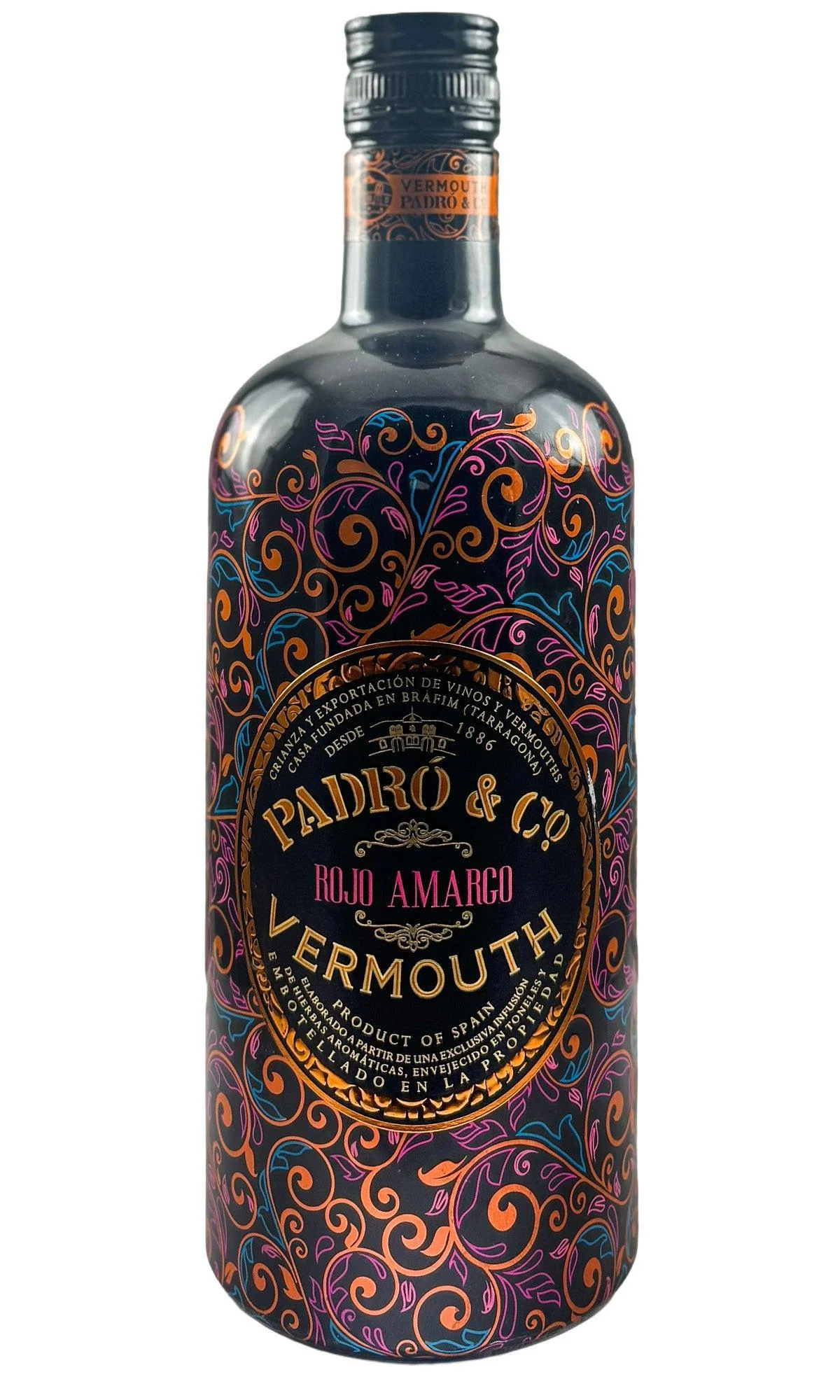
Padro and Co., Rojo Amargo Vermouth, NV
Amargo means bitter, and Padro does not bury the lede. This Catalan house has been making vermouth in Brafim, outside Tarragona, since 1886, starting from base wine made with their own Macabeo and Xarel-lo. For this bottling the botanical work happens in two stages: a first infusion of high-mountain plants, all small roots and intensely aromatic flowers, followed by two years resting in wood, and then a second formula built from barks and roots layered on top. What lands in the glass is a red vermouth with a real bitter spine, all clove, dried apricot and orange peel over a finish of quinine and tobacco. Serve it the Catalan way: over ice, with a slice of orange and an olive, ideally before lunch on a Sunday.
Original: $49.99
-65%$49.99
$17.50Padro and Co., Rojo Amargo Vermouth, NV
Amargo means bitter, and Padro does not bury the lede. This Catalan house has been making vermouth in Brafim, outside Tarragona, since 1886, starting from base wine made with their own Macabeo and Xarel-lo. For this bottling the botanical work happens in two stages: a first infusion of high-mountain plants, all small roots and intensely aromatic flowers, followed by two years resting in wood, and then a second formula built from barks and roots layered on top. What lands in the glass is a red vermouth with a real bitter spine, all clove, dried apricot and orange peel over a finish of quinine and tobacco. Serve it the Catalan way: over ice, with a slice of orange and an olive, ideally before lunch on a Sunday.
Product Information
Product Information
Shipping & Returns
Shipping & Returns
Description
Amargo means bitter, and Padro does not bury the lede. This Catalan house has been making vermouth in Brafim, outside Tarragona, since 1886, starting from base wine made with their own Macabeo and Xarel-lo. For this bottling the botanical work happens in two stages: a first infusion of high-mountain plants, all small roots and intensely aromatic flowers, followed by two years resting in wood, and then a second formula built from barks and roots layered on top. What lands in the glass is a red vermouth with a real bitter spine, all clove, dried apricot and orange peel over a finish of quinine and tobacco. Serve it the Catalan way: over ice, with a slice of orange and an olive, ideally before lunch on a Sunday.